
-
Our Address
31,Pavalar Street,Kayathar-628952
-
Work Time
haniffaandsons@gmail.com
-
Call Us Today
+91 9585066555
31,Pavalar Street,Kayathar-628952
haniffaandsons@gmail.com
+91 9585066555
Sealcoating is actually a common type of road resurfacing done on BC highways. It involves the application of a special mixture to the road that protects the road base from additional wear and tear. So it’s kind of like a little jacket, but for roads. When it’s applied over existing pavement, sealcoating is a really cost-effective way of resurfacing that extends the life of the road by sealing out moisture. It also provides a skid-resistant, anti-glare surface during wet weather and, because it hardens the surface of gravel roads, it provides a dust-free driving surface.
If required, we patch or seal cracks to prepare the road surface prior to sealing. A mixture of asphalt combined with water is then sprayed on the road surface. The water in this mixture starts to evaporate immediately. Immediately after spraying the asphalt-water mixture, a layer of gravel is spread over the surface.
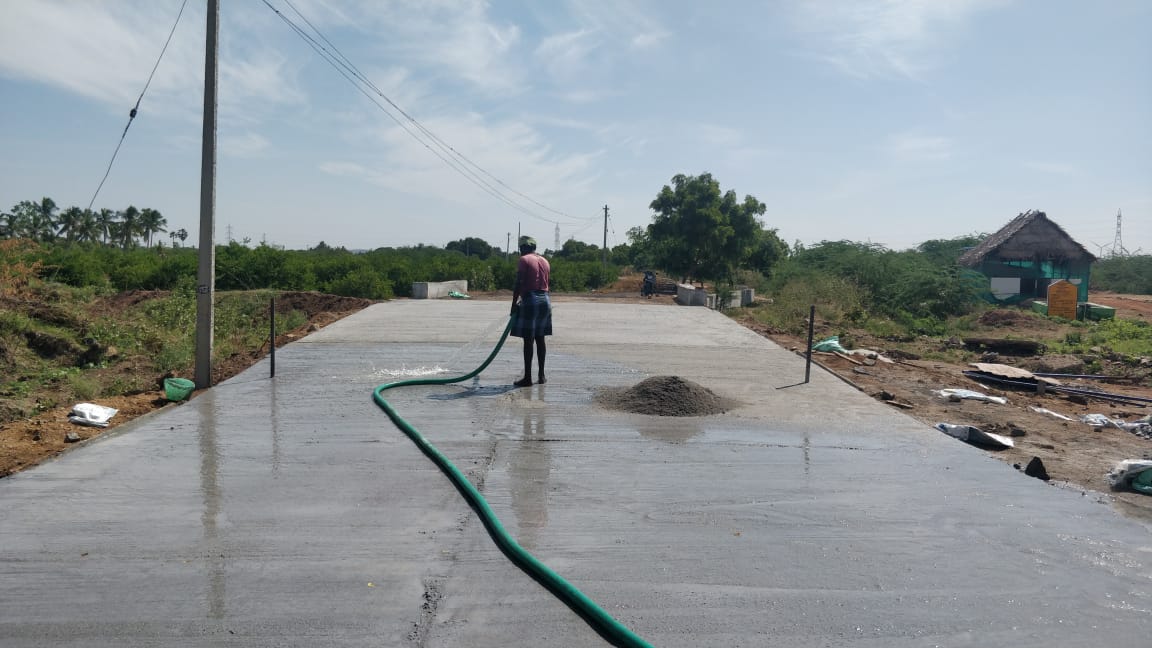
Next, the gravel is compacted and embedded into the asphalt with rollers. In some cases, sand is applied to assist in the consolidation and curing process. Despite the high-pressure rollers, some gravel will not become embedded in the asphalt.
The surface is allowed to cure for up to two days while the water continues to evaporate. Hot, dry summer days help speed this process, which is why we typically try to sealcoat during the summer months. Traffic can pass over this surface at reduced speeds during the curing process. Finally, the sealcoated surface is swept to eliminate any loose gravel. This may take several sweepings.

We are BBB accredited paving company with a mission to keep our road available. Join us and see the great work.
Open Monday to Saturday From 7 AM to 6 PM
Address:31,Pavalar Street,Kayathar-628952
Custom Support & Sale: +91 9585066555
Working Time: Mon-Sat: 9 AM - 5 PM
Email: haniffaandsons@gmail.com
BEST PRACTICE OF HR MANAGEMENT
BEST PRACTICE OF HR MANAGEMENT
BEST PRACTICE OF HR MANAGEMENT